

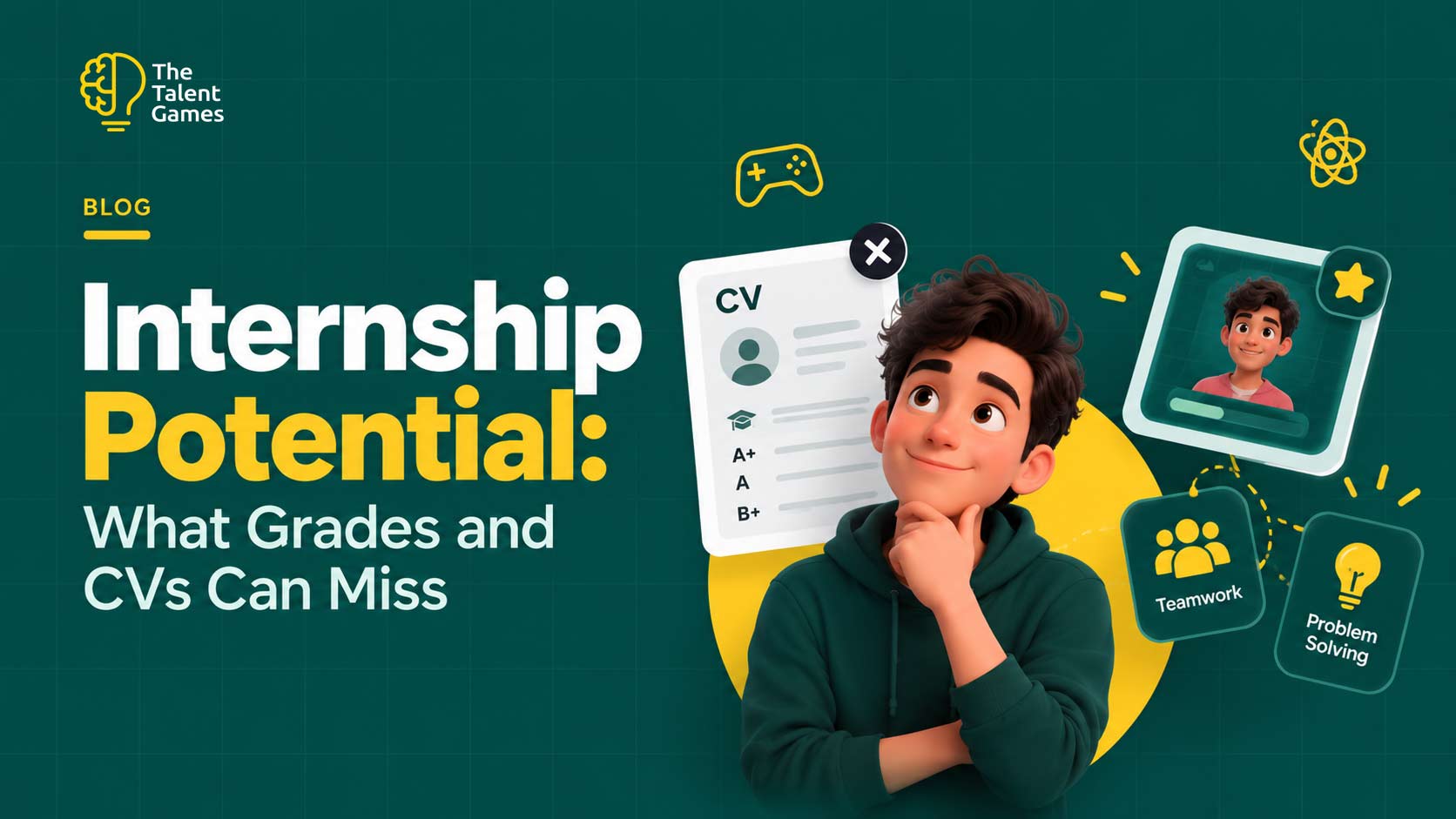
For experienced professionals, a CV can tell recruiters quite a lot about their career journey. But when hiring interns, understanding internship potential requires looking beyond qualifications and previous experience.
Internship applicants often have limited professional experience. Some have completed academic projects, participated in university societies or taken on extracurricular responsibilities. Others may have strong academic records but little opportunity to demonstrate their abilities outside the classroom.
This creates a challenge for recruiters: How do you recognise potential when candidates have very little work experience to show?
The answer may require looking beyond traditional indicators such as grades, university names and previous internships.
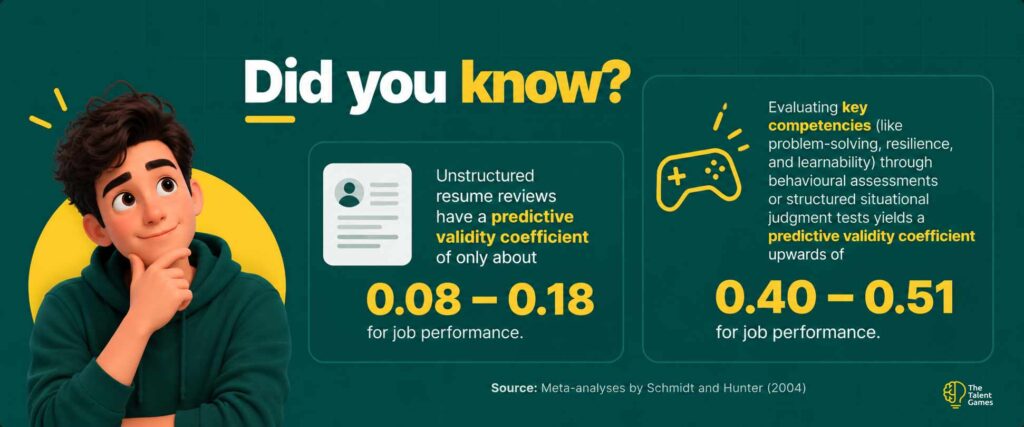
Why Academic Performance Doesn't Reveal Internship Potential
Academic results provide useful information about a candidate’s educational performance. However, they represent only one aspect of what someone might bring to a workplace. Academic performance is one indicator, but it doesn’t always reveal a candidate’s full internship potential.
Consider two candidates applying for a marketing internship.
One has an excellent academic record but struggles to explain how they would approach an unfamiliar business problem. The other has slightly lower grades but demonstrates creativity, asks thoughtful questions and approaches challenges logically.
Which candidate has greater potential?
There isn’t necessarily a straightforward answer. Both may bring valuable strengths, but academic performance alone cannot establish who is better suited to the opportunity.
Internship hiring should therefore consider additional capabilities, including:
- Problem-solving and critical thinking.
- Ability to process and interpret information.
- Adaptability when facing unfamiliar situations.
- Communication and collaboration.
- Decision-making and learning agility
These capabilities can provide recruiters with a broader understanding of emerging talent.
Look at How Candidates Think, Not Just What They Have Done
One of the difficulties with early-career recruitment is that candidates haven’t always had equal opportunities to demonstrate their capabilities.
Some have completed multiple internships, worked on professional projects or benefited from established networks. Others may have had fewer opportunities but possess considerable potential.
This is why recruiters should introduce opportunities for candidates to demonstrate their abilities directly.
For example, situational judgement exercises can present candidates with realistic workplace scenarios and help recruiters understand how they approach decisions.
Cognitive assessments can provide insights into areas such as numerical reasoning, logical thinking and information processing.
These methods don’t replace academic qualifications or interviews. They complement them by introducing additional evidence into the selection process. Recruiters can explore different candidate assessment methods to understand candidates more comprehensively.
What We Have Learned From Large-Scale Internship Programmes
At The Talent Games, our experience supporting internship campaigns has shown us the importance of understanding candidates beyond their applications.
Consider a few examples.
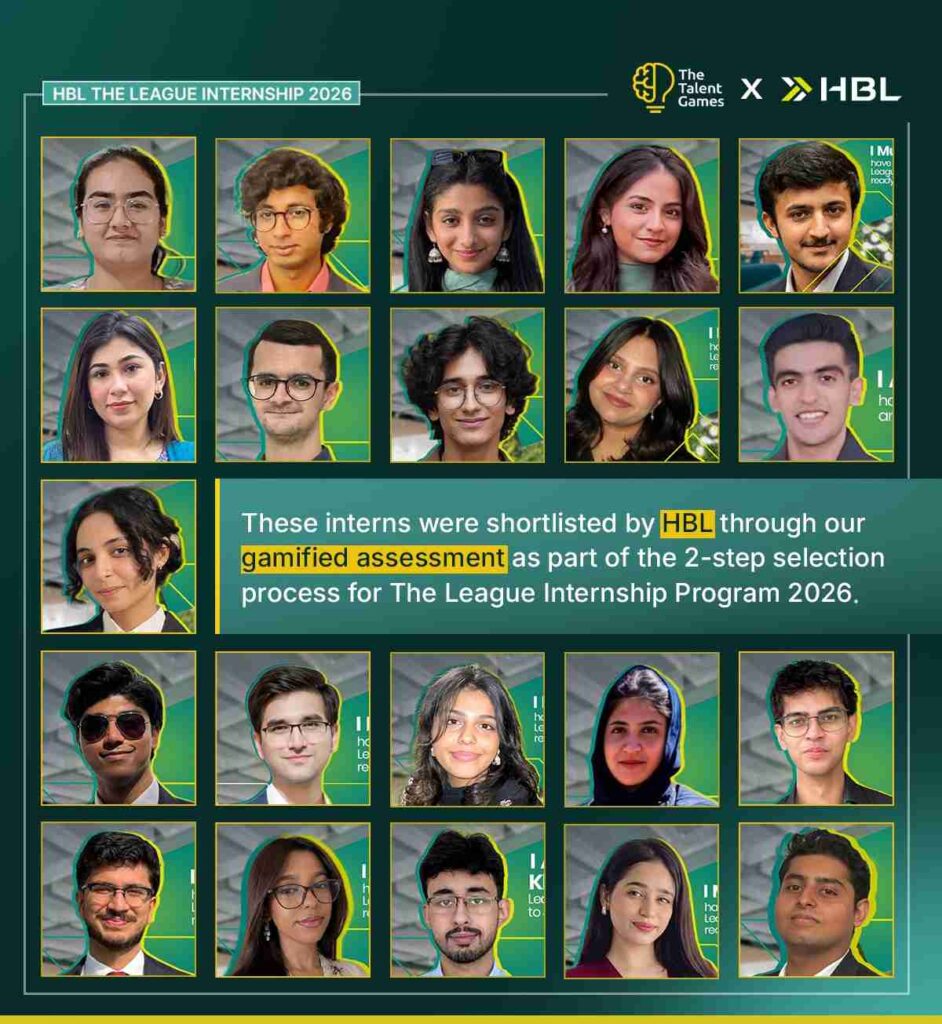
HBL's The League Internship Program 2026
The Talent Games powered the first stage of HBL’s two-step selection process through gamified assessments. Candidates were evaluated on cognitive abilities, behavioural competencies and potential before shortlisted applicants progressed to HBL’s in-house video interviews.
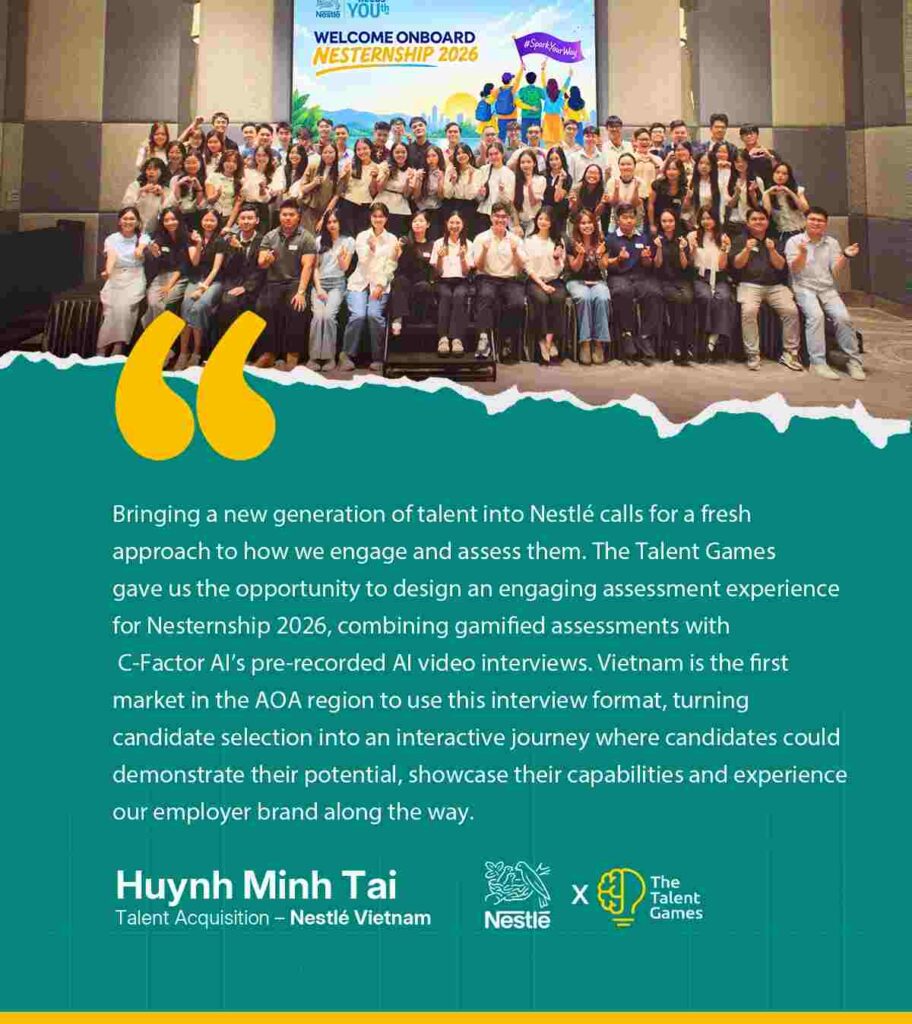
Nestlé Vietnam's Nesternship 2026
The programme introduced candidates to an immersive recruitment journey where they could solve problems, think differently and demonstrate their capabilities through gamified assessments.
Packages Group's PackInspire 2026
The programme covered opportunities across numerous functions, including finance, engineering, marketing, supply chain, IT and human resources. This highlights the importance of understanding candidates across different disciplines and requirements.
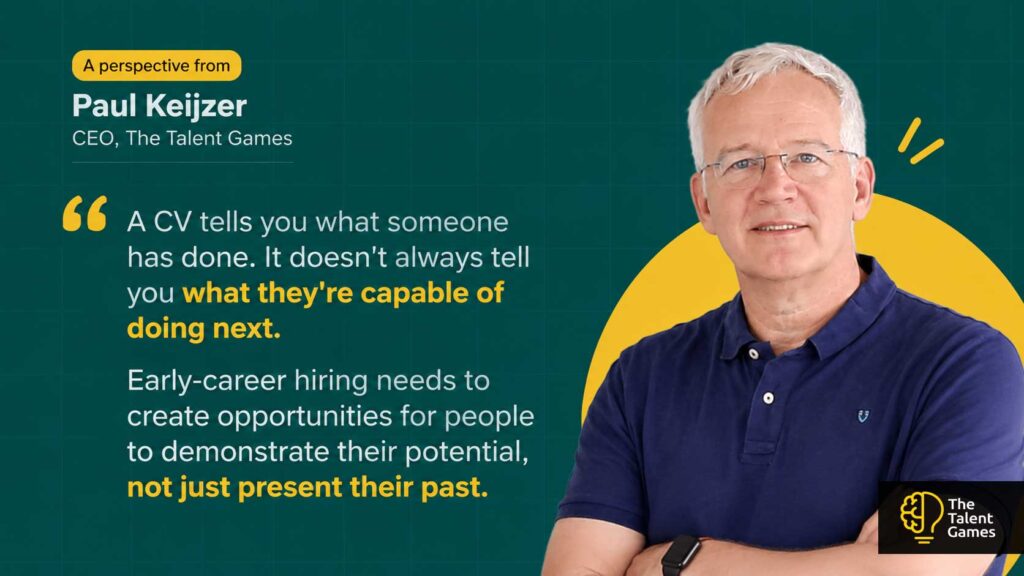
These examples demonstrate an important point: internship recruitment can be more meaningful when organisations create opportunities for candidates to demonstrate what they can do, rather than relying entirely on what they have already done.
A Better Question for Internship Recruiters
Instead of asking only, “Which candidates have the strongest academic records?”, recruiters should also consider:
“What evidence do we have of this candidate’s ability to learn, think and contribute?”
This doesn’t mean lowering academic requirements or ignoring qualifications. It means recognising that different indicators provide different insights.
A more structured selection process can combine academic eligibility, relevant competency assessments, situational judgement exercises and structured interviews.
The objective is to understand candidates from multiple perspectives before making a decision.
Making Early-Career Hiring More Meaningful
Internships are often a candidate’s first meaningful interaction with an organisation. The selection process can influence how they perceive the employer, even before they join.
For organisations, this is an opportunity to build stronger relationships with emerging talent while making more informed hiring decisions.
At The Talent Games, we help organisations attract and assess emerging talent through engaging, gamified assessments that provide insights into candidates’ cognitive abilities and behavioural competencies.
Because when hiring people at the beginning of their careers, the most important question isn’t always what experience they bring. Sometimes, recognising internship potential means looking at what candidates are capable of becoming.